
Plant Blindness
Say what?

As I took a stroll through this green tunnel in the Virginia Highlands recently, I was struck by how, at first, it looked like a massive undifferentiated green wall. I remembered learning the term “plant blindness” for this phenomenon.
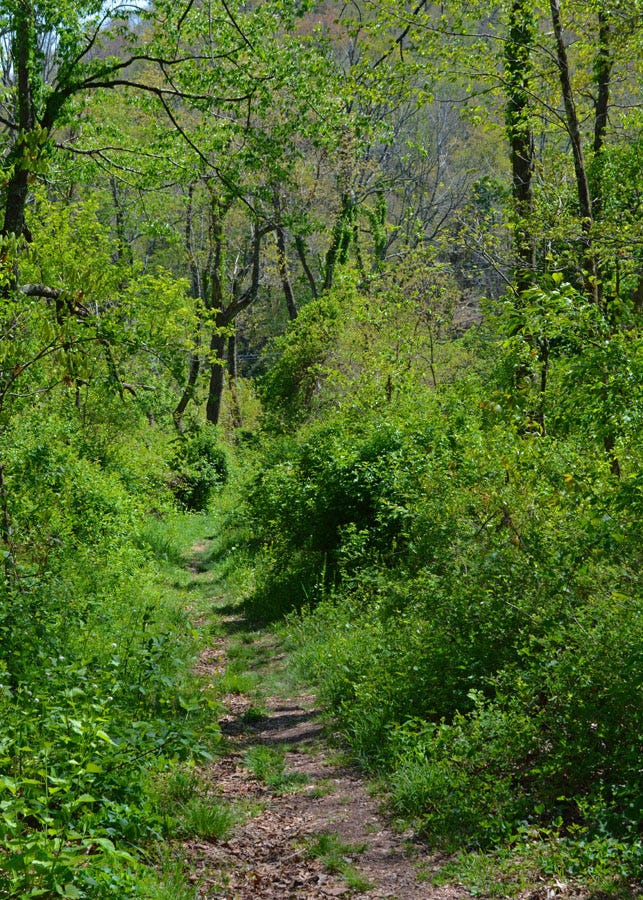
What IS plant blindness and how does it show?
These are some of the signs:
…people who are not interested in and basically ignore plants
…people who believe that plants exist because they are needed by animals
…people who do not recognize that plants are essential in their daily lives
…people who do not understand the vital role of plants in the biosphere
(Wandersee J. H.Schussler E. E. (2001). Towards a theory of plant blindness. Plant Sci. Bull.272–9)
I came across a fascinating BBC article by Christine Ro:
Why ‘plant blindness’ matters — and what you can do about it,
Ro observed that plant blindness may be linked to nature deficit disorder, the harmful condition we find ourselves in when we become alienated from nature. As we spend less time in nature and have less exposure to plants, our plant blindness becomes more pronounced.
An under-appreciation of plants can lead to disastrous consequences both for the environment and for human health. We have seen reduced funding for plant research and conservation in many countries even as we rely on plant research to develop hardier food crops, bio-fuels, and more effective medicines. More than 28,000 plant species are used medicinally (think anti-cancer drugs and blood thinners).
The world’s food supply is facing critical challenges due to population growth, water scarcity, reduced agricultural land, desertification and other consequences of climate change.
In truth, our future depends on plants and our relationship with them!
Would you like to see some of the interesting plants I discovered in the green tunnel I walked through?
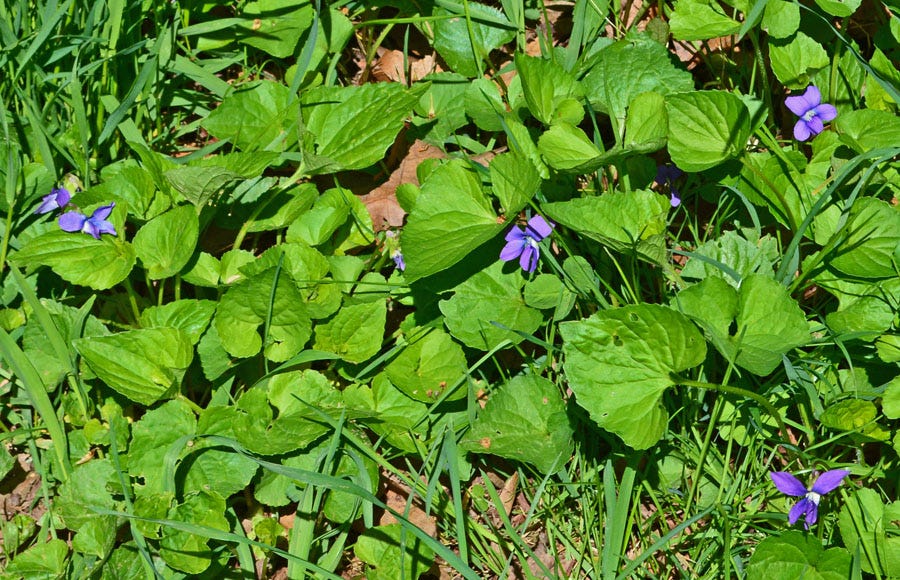
A patch of blue violets - both flowers and leaves are edible and medicinal.
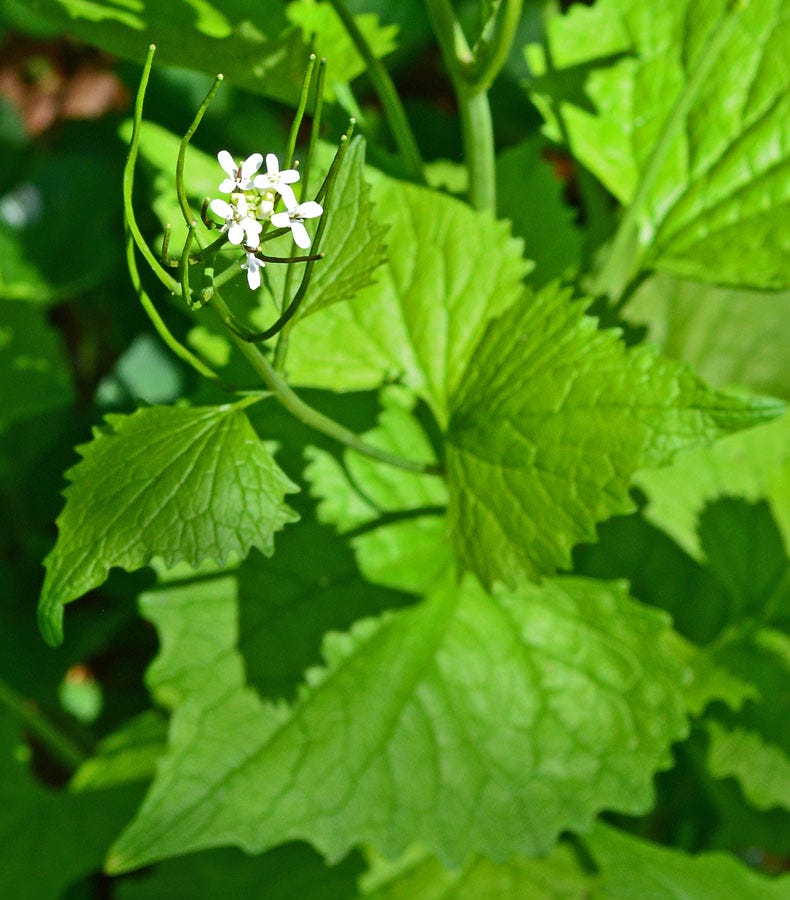
Invasive garlic mustard - flowers, leaves, seedpods and roots are edible.
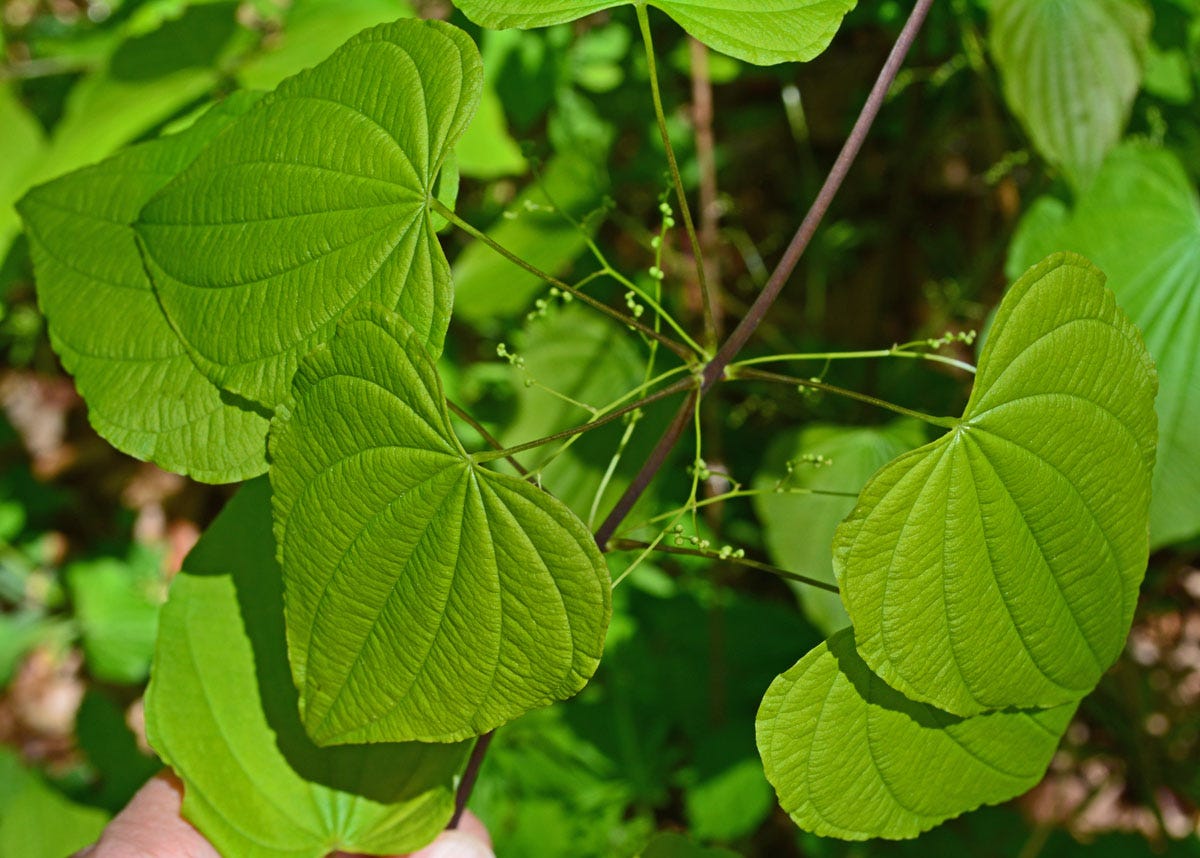
The striking heart-shaped leaves and tiny flower sprays of wild yam - its roots are used medicinally:
Wild grapes - both the young leaves and the ripe fruit later in the season are edible:
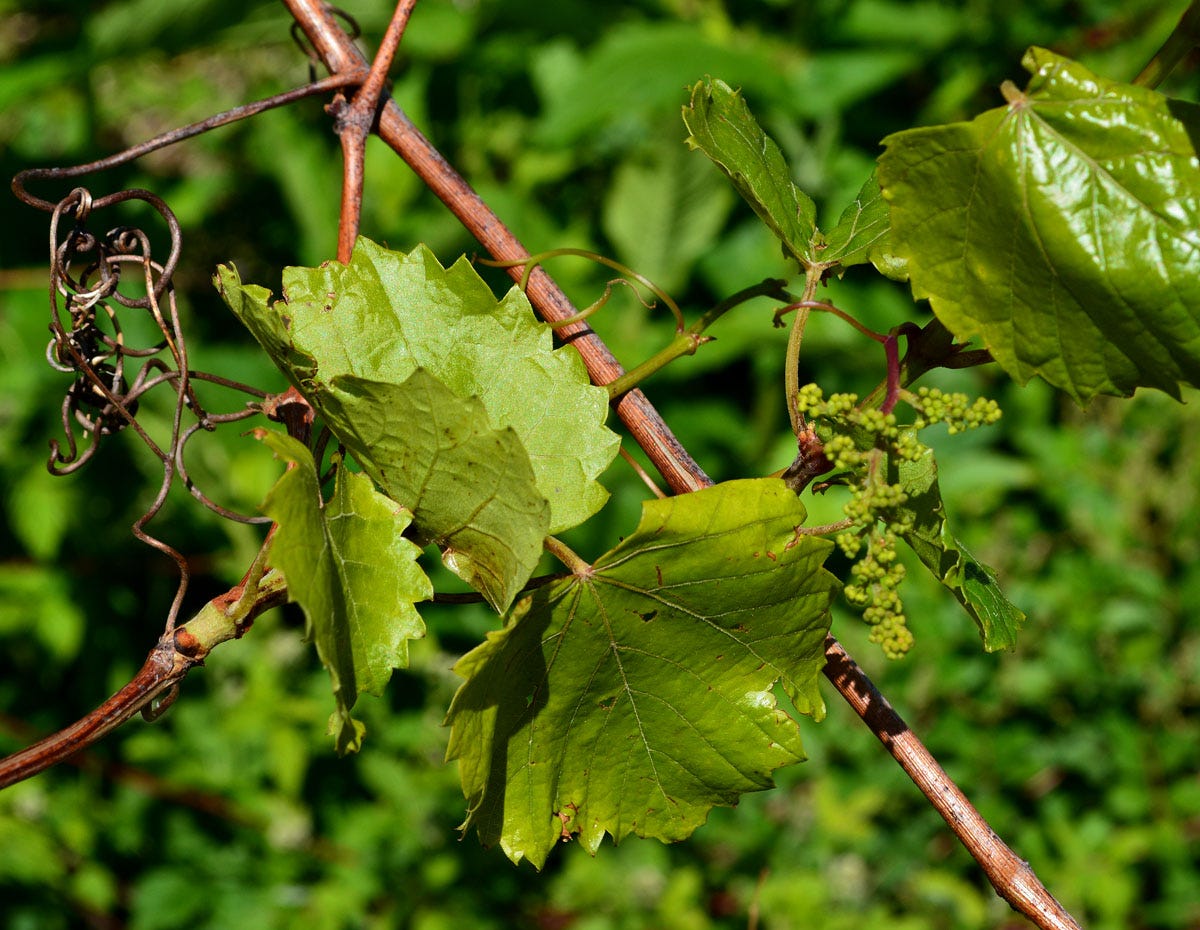
And there were so many other plants that caught my attention through the shape of their leaves, their flowers, and the promise of food for wildlife and knowledgeable humans.
It is rewarding and delightful to cure our plant blindness but it does require interest and willingness to learn.
Upcoming Nature Retreats
If you are looking for an escape into nature with delicious guided activities to immerse yourself deeply, take a look at my upcoming retreats:
Nature Reconnection Retreat: Crafting a Deeper Bond with the Earth
June 12 - 14, 2026, Yogaville, Virginia. Click for more details & registration
Between Tides: Nature, Creativity & Renewal, October 8-11, 2026, Chincoteague Island, Virginia. Click for more details & registration
If this is the first Seasons of a Wild Life post popping into your inbox, you can find out more about me and my mission here: How Did You End Up Here.
If you are a follower on the app, please consider becoming a subscriber by providing your email. Each new post gets delivered directly to your inbox!
I like how this connects perception to survival. It’s strange how something so important can become invisible just because it doesn’t move or demand attention.
Hope you are doing well, Annette.
Hi Annette.. Thanks for this article.. very interesting and nice photos too. I hope the retreat on the coast goes well. I will be in Ocracoke NC from Oct 3 to Oct 19th. Let me know if your guests might be interested in my coming out to do a small healing through art workshop with them for a couple of hours. Best always, Steevie